Pressure Washing
Restoring a Weathered Wood Deck or Paver Patio
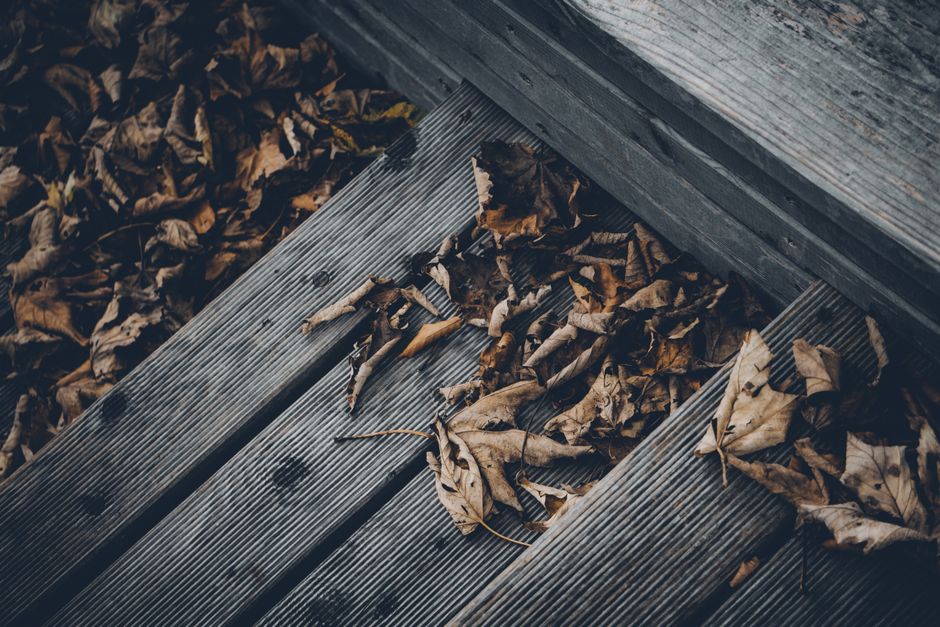
A gray, slippery deck or a paver patio full of weeds and black spots can usually be brought back to life — but both surfaces are easier to damage than homeowners expect, and the wrong technique leaves permanent marks.
Wood decks: go gentle
Wood is soft. A high-pressure tip held too close will gouge the grain, leaving fuzzy, furrowed streaks that no amount of sanding fully hides. Decks should be cleaned at low pressure with a wood-safe cleaner that lifts gray oxidation and mildew, followed by a brightener that restores the natural tone. Let it dry a few days, then seal or stain — cleaning without resealing just invites the gray back.
Pavers: clean, then re-sand
Pavers tolerate more pressure than wood, but aggressive washing blows the stabilizing joint sand out from between them, which leads to shifting and more weeds. Clean at moderate pressure, then sweep in new polymeric sand and, ideally, reseal to lock everything in place.
Timing and expectations
Late spring or early fall — dry, mild stretches — is ideal, since both surfaces need to dry fully before sealing. If you're unsure how much pressure your deck can take, a soft-wash specialist is the safe call; homeowners around Sarasota often bring in the Suncoast crew we trust for exactly this kind of delicate wood-and-paver work. Test any cleaner on a hidden corner first.